Hospital Discharge Planning Assessment

Use this patient intake form to assess discharge readiness, post-acute care needs, and home support requirements before a patient leaves the hospital. It helps care teams document discharge destination, therapy needs, mobility concerns, an…

Use Template
Used 0 times
Created by Fomr Team
Last updated

About

This hospital discharge planning assessment is a patient intake form designed for care teams coordinating a safe transition from hospital to home, rehabilitation, or another care setting. It brings key discharge details into one place so nurses, social workers, case managers, and administrators can review the patient's situation with a clearer picture of what support is needed next.

The template covers core patient and admission details, including full name, date of birth, medical record number, admission date, anticipated discharge date, and primary diagnosis. It also captures the expected discharge destination, which helps teams align the discharge plan with the patient's living situation, clinical needs, and available support.

Beyond basic intake, the form focuses on practical post-discharge planning. Sections for post-acute services, recommended home health visit frequency, current mobility status, and fall risk assessment make it easier to identify whether the patient may need therapy, wound care, infusion support, equipment, caregiver assistance, or home safety planning before discharge.

This structure is useful for reducing missed details during handoff and creating a more consistent discharge planning process across patients. Teams can customize the form for specific departments, populations, or care pathways while keeping the underlying patient intake form focused on safe transitions and continuity of care.
Related Templates

View all →
Body Measurement Form preview

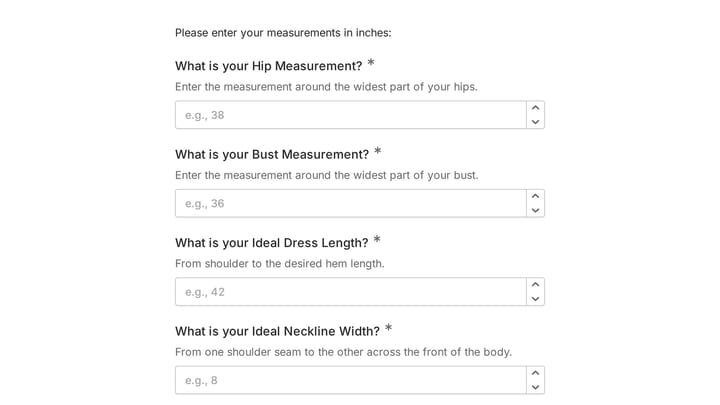
Body Measurement Form

This body measurement form provides a straightforward way to record essential physical dimensions. It's an ideal tool for custom clothing design, fitness tracking, or monitoring personal progress with precision.

Branding Project Intake Form preview

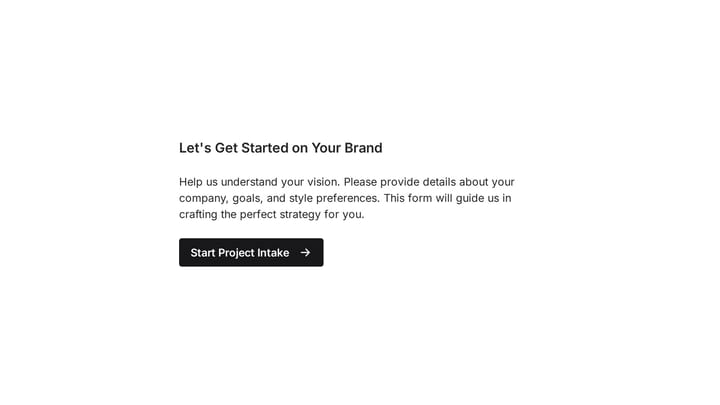
Branding Project Intake Form

Empower your branding projects from the start with this essential intake form template. It guides creative professionals in capturing crucial client details like project goals, target audience, style preferences, and necessary assets for a perfectly aligned kickoff.

Account Opening Form preview

Account Opening Form

Easily open new financial accounts and gather all necessary customer information with this intuitive form template. It's perfect for banks, credit unions, and any financial institution looking to simplify their onboarding process.

Data Analyst Quote Form preview

Data Analyst Quote Form

This dedicated form helps data analysts gather client requests efficiently and provide accurate project estimates. It simplifies collecting essential details and prioritizing new data analysis projects.

Frequently asked questions

What is this hospital discharge planning assessment used for?

This template is used to collect structured responses for a hospital discharge planning assessment workflow. It gives teams a consistent format for gathering the information they need and reviewing submissions more efficiently.

What information should I collect first?

Start with the most important details people can answer quickly, then move into the more specific questions. In this template, that can include items such as Patient Full Name, Date of Birth, Medical Record Number depending on how you customize it.

Can I customize this template for my own workflow?

Yes. You can adapt the questions, required fields, and structure to fit your process while keeping the overall flow clear and easy to complete. That makes it useful as both a starting point and a publish-ready template.

How many questions should a form like this include?

Keep only the questions that directly support the purpose of the form. Shorter forms usually get better completion rates, so it is often better to collect the essentials first and ask for extra details later if needed.

Why use a structured template instead of building from scratch?

A structured template helps you move faster and keeps your submissions more consistent. It also reduces the chance of missing important details because the form already follows a logical order.

Ready to create your first Fomr?

Your next form deserves better than a white page with dropdowns. Build something people actually want to fill out.