Antique & Vintage Goods Dealer Carbon Footprint Survey

Use this antique & vintage goods dealer carbon footprint survey form to document emissions-related activity across storage, restoration, sourcing travel, and shipping. It helps antique businesses gather consistent operational data for inte…

Use Template
Used 0 times
Created by Fomr Team
Last updated

About

This antique & vintage goods dealer carbon footprint survey form is designed for businesses that need a clearer picture of how day-to-day operations affect their overall environmental impact. It supports carbon footprint reporting across areas that matter in this trade, including climate-controlled storage, restoration work, travel for sourcing, and delivery or shipping activity.

The template starts with core business details such as shop name, contact information, business type, and reporting period, then moves into operational questions that give the data useful context. It includes prompts for climate-controlled storage, square footage, temperature and humidity ranges, electricity consumption, and primary energy source so you can capture the conditions that often drive energy use in antique and vintage inventory management.

It is especially useful for dealers, galleries, auction businesses, restoration workshops, and hybrid retail or online sellers that handle fragile or historically significant goods. Because the questions are organized around real operating conditions, the responses are easier to review for patterns, compare across reporting periods, and use in sustainability discussions with internal teams or external stakeholders.
Related Templates

View all →
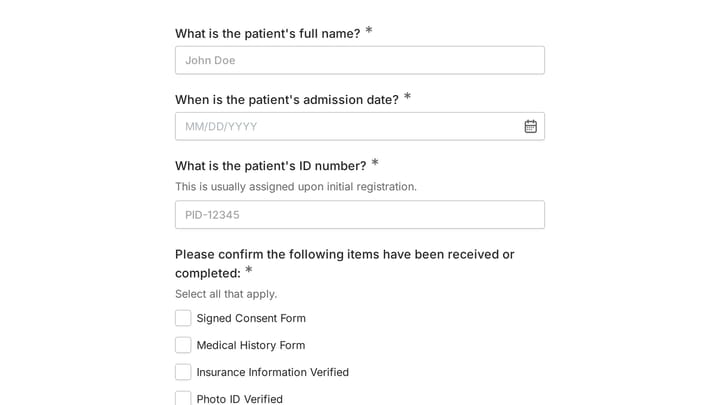
Employee Equipment Agreement Form preview

Employee Equipment Agreement Form

This online Employee Equipment Agreement Form template helps you efficiently track company assets assigned to your staff. Easily collect important details like employee names, departments, and serial numbers for items ranging from laptops and monitors to specialized tools.

Academic Thesis Defense Recording Consent Form preview

Academic Thesis Defense Recording Consent Form

Collect student consent for recording an academic thesis defense, including recording type, defense format, and institutional authorization details. This template helps universities document permission clearly before recordings are created…

Art Contest Voting Form preview

Art Contest Voting Form

Easily manage and streamline the voting for your art competition with this user-friendly template. It's designed to eliminate manual data entry, ensuring a fair and seamless experience for everyone.

Abolition Democracy Pledge preview

Abolition Democracy Pledge

An abolition democracy pledge form helps organizations and grassroots campaigns collect clear public commitments to prison abolition, transformative justice, and community-based safety. This template captures supporter details, organizatio…

Frequently asked questions

What is this antique & vintage goods dealer carbon footprint survey used for?

This template is used to collect structured responses for a antique & vintage goods dealer carbon footprint survey workflow. It gives teams a consistent format for gathering the information they need and reviewing submissions more efficiently.

What information should I collect first?

Start with the most important details people can answer quickly, then move into the more specific questions. In this template, that can include items such as Business/Shop Name, Your Name, Email Address depending on how you customize it.

Can I customize this template for my own workflow?

Yes. You can adapt the questions, required fields, and structure to fit your process while keeping the overall flow clear and easy to complete. That makes it useful as both a starting point and a publish-ready template.

How many questions should a form like this include?

Keep only the questions that directly support the purpose of the form. Shorter forms usually get better completion rates, so it is often better to collect the essentials first and ask for extra details later if needed.

Why use a structured template instead of building from scratch?

A structured template helps you move faster and keeps your submissions more consistent. It also reduces the chance of missing important details because the form already follows a logical order.

How does this help with feedback analysis?

A structured feedback form makes it easier to compare ratings, comments, and recurring themes across responses. That helps teams identify what is working well, where friction exists, and what improvements to prioritize next.

Ready to create your first Fomr?

Your next form deserves better than a white page with dropdowns. Build something people actually want to fill out.