Coaches spend a lot of time on discovery calls with people who are curious but not ready to start. This readiness assessment gives prospects a structured way to describe where they are before you meet, so you can prepare for the conversation and keep your calendar for the people most likely to commit.
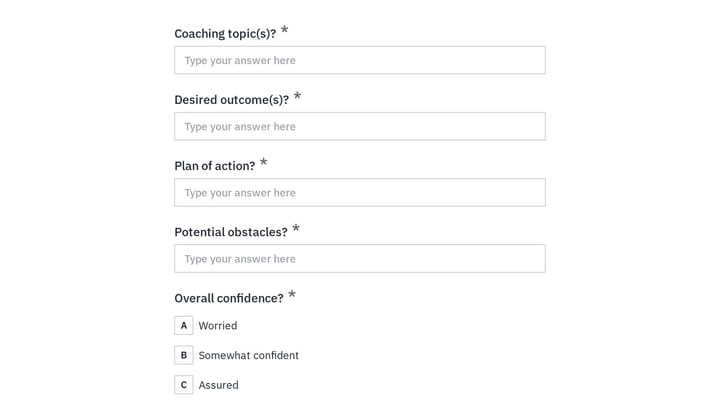
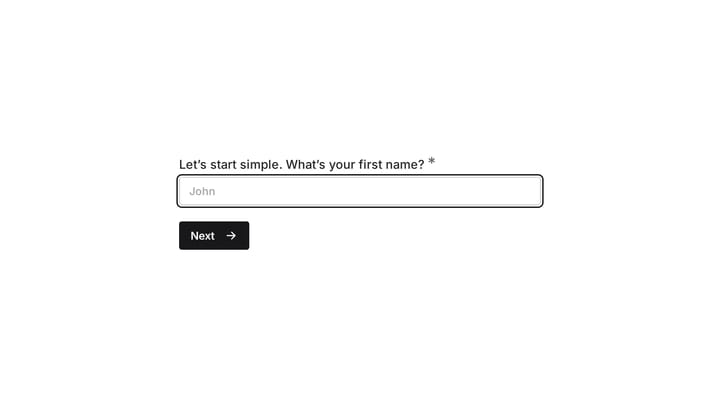
The form opens with name and contact details, then moves into the coaching itself: the area the person wants to work on, how clear their goal is on a 1 to 10 scale, one concrete outcome for the next few months, and what has held them back so far. Later questions cover commitment level, weekly time available, monthly investment range, financial readiness, preferred start date, program length, and whether they make the decision alone. Budget and timing come after the goal questions because people answer them more honestly once they have described what they want to change.
Only people who say they have worked with a coach or mentor before see a follow-up about what that experience was like, so first-timers are not asked to explain something they have not done. The closing questions invite concerns about coaching and ask how the person found you, which gives you a talking point for the call and a simple view of which referral sources bring in ready clients.