Front desk teams and dentists make better scheduling decisions when they know what a patient is dealing with before the visit. This risk assessment gives dental practices, orthodontists, and hygiene clinics a structured way to collect history, habits, and symptoms from new or returning patients and decide who needs to be seen first.
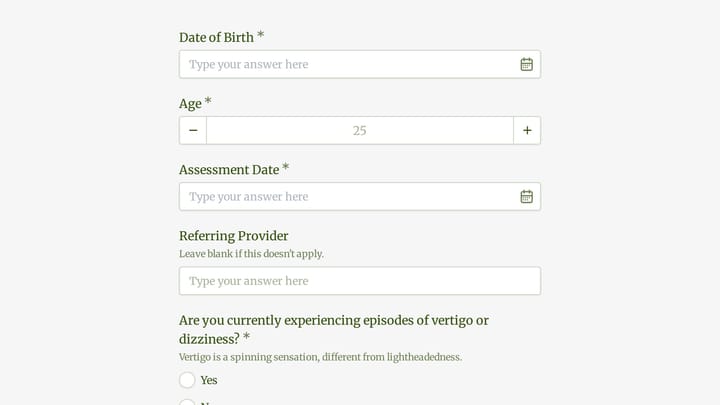
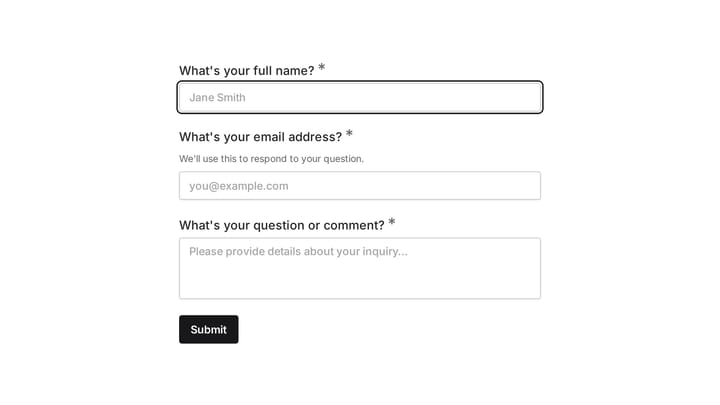
After contact details and date of birth, the form covers dental history: the last visit, whether the patient has a regular dentist, past treatments, and anxiety about appointments. Habit questions follow on brushing, flossing, mouthwash, sugary foods and drinks, and tobacco use. The patient then explains the main reason for seeking care and checks off current symptoms such as bleeding gums or tooth sensitivity.
When a patient says they are in dental pain, two follow-ups appear asking them to rate the pain and say how long it has lasted. Patients without pain skip both. The final section collects relevant medical conditions, medications, allergies, preferred appointment timing, contact preference, and insurance status, which gives the team what it needs to triage and book the right appointment.