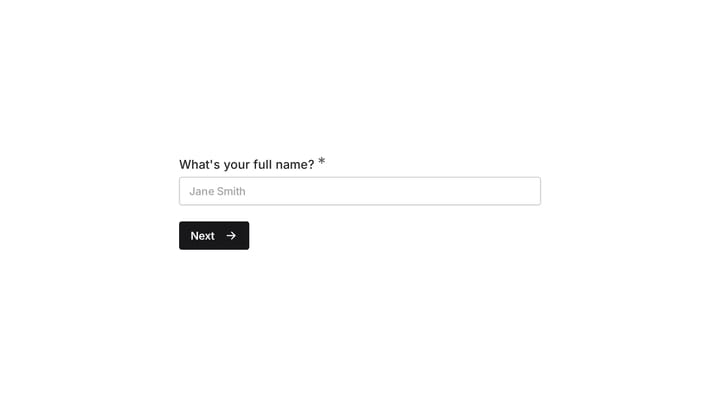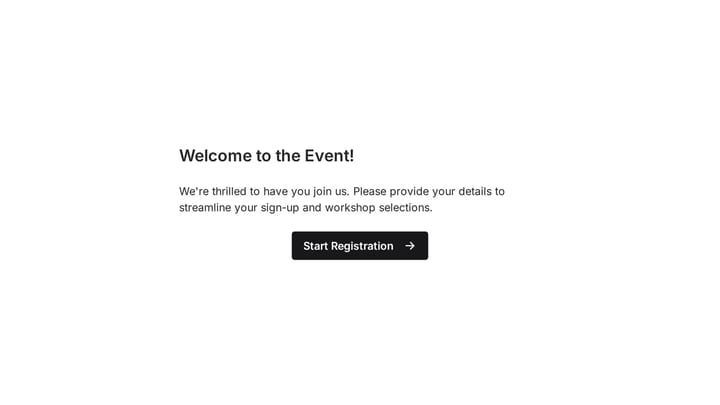
Lost Property Claim Form Template

This lost property claim form helps escape room venues collect booking details, item descriptions, and ownership clues in one clear submission. Use it to speed up follow-up with guests and keep lost-and-found claims organized.

Use Template
Used 0 times
5.0
Created by Fomr Team
Last updated

About

A lost property claim form gives guests a clear way to report items left behind after an escape room visit. This template is built for venue teams that need enough detail to identify the correct booking, match the item to a room or session, and respond quickly without back-and-forth emails.

The form captures the key information staff usually need to investigate a claim, including the guest's name, email address, date of visit, booking time, room theme, and group details. It also asks for the type of item lost, a detailed description, and where the guest believes it was left, which makes it easier to check the right space and verify ownership before returning anything.

This lost property claim form works well for escape rooms with multiple themed rooms, busy front-of-house teams, or frequent weekend bookings. You can keep the structure as-is or tailor the room list, item categories, and claim questions to match your venue's lost-and-found process.
Related Templates

View all →
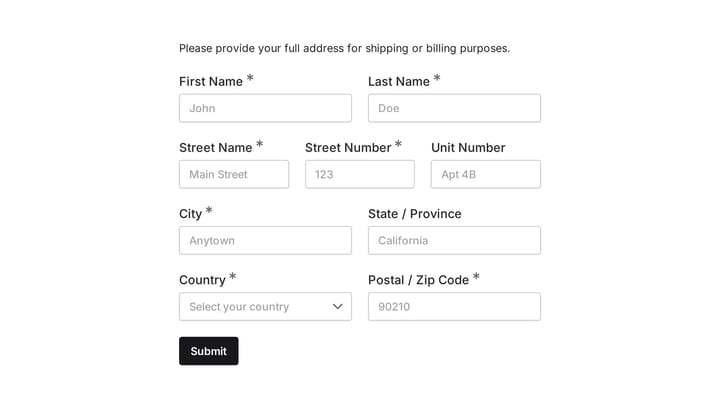
Address form preview

Address form

Quickly and accurately collect full shipping and billing addresses with this versatile template. It's designed for businesses that need reliable customer location details for deliveries, invoicing, or organized record-keeping.

Student Enrollment Form preview

Student Enrollment Form

Use this Student Enrollment Form to collect participant details and attendance information. It keeps registration, confirmation, and event follow-up organized.

Student Progress Report preview

Student Progress Report

Use this event registration form to collect structured responses in a format that is easy for both respondents and your team. It helps turn incoming information into a more organized workflow.

Student Interest Survey Form preview

Student Interest Survey Form

Use this student interest survey form to collect clear feedback, satisfaction scores, and open-ended comments in one place. It helps teams understand what is working well and where the experience can improve.

Sponsorship Form preview

Sponsorship Form

This sponsorship form helps organizations collect sponsor contact details, company information, and messages in one clear submission flow. Use it to review interest consistently and start sponsorship conversations with the right context up…

Study Group Signup Form preview

Study Group Signup Form

This study group signup form helps you collect student names, contact details, course information, and weekly availability in one place. Use it to organize new members and match participants with a study schedule that works.

Event Registration Form preview

Event Registration Form

Effortlessly gather attendee information for any event with this registration form template. It streamlines sign-ups, manages workshop selections, and collects vital details like dietary needs, ensuring smooth planning.

Event Volunteer Form preview

Event Volunteer Form

Streamline your event planning by effortlessly collecting all the crucial details from your potential volunteers. This customizable form simplifies sign-ups, helping you build a supportive and well-organized team.

Frequently asked questions

What is this lost property claim form used for?

This template is used to collect structured responses for a lost property claim form workflow. It gives teams a consistent format for gathering the information they need and reviewing submissions more efficiently.

What information should I collect first?

Start with the most important details people can answer quickly, then move into the more specific questions. In this template, that can include items such as Full Name, Email Address, Phone Number depending on how you customize it.

Can I customize this template for my own workflow?

Yes. You can adapt the questions, required fields, and structure to fit your process while keeping the overall flow clear and easy to complete. That makes it useful as both a starting point and a publish-ready template.

How many questions should a form like this include?

Keep only the questions that directly support the purpose of the form. Shorter forms usually get better completion rates, so it is often better to collect the essentials first and ask for extra details later if needed.

Why use a structured template instead of building from scratch?

A structured template helps you move faster and keeps your submissions more consistent. It also reduces the chance of missing important details because the form already follows a logical order.

Can this template be used for events or attendance tracking?

Yes. This kind of template works well for registrations, RSVPs, attendance tracking, and other response collection workflows tied to a scheduled event or session. It helps organizers keep participant details in one place.

Your next form could be the best-looking thing on your site.

Free forever. Unlimited responses. No signup to start.