Financial coaches and advisors spend much of a first meeting gathering basics: how much comes in, where it goes, and which debts or goals weigh on someone. This self-assessment moves that groundwork into a form clients complete beforehand, so the first conversation can focus on priorities instead of fact-finding. It also works for workplace wellness programs that want employees to reflect on their finances.
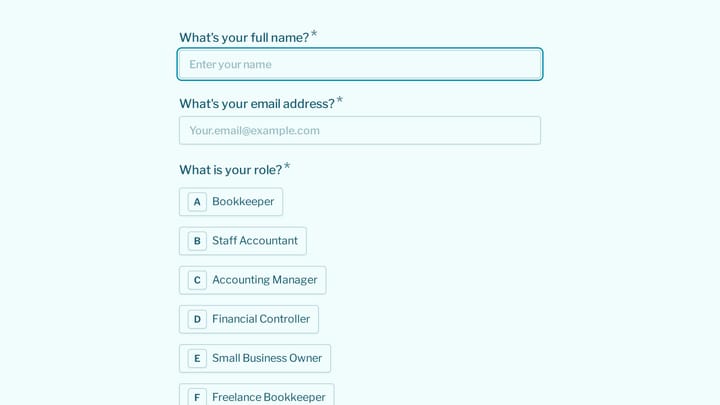
The form begins with contact details, age range, and employment status, then asks for monthly take-home income and expenses. It continues through spending tracking and budgeting, debt balances and repayment plans, credit card habits, emergency savings, retirement contributions, insurance coverage, financial goals, money stress, impulse spending, bill payment, and how often the respondent reviews their finances.
Follow-up questions appear only when they apply. People without a budget skip the question about sticking to one, and anyone who reports no debt never sees the questions on debt balance, payments, debt types, and repayment plans. Retirement contribution and employer match questions show up only for people who pay into a retirement account, and the full match question appears only when there is a match to claim.
The form does not produce an automatic score. It gives you consistent answers you can review with each client and revisit later to track progress.