Company Patent and Intellectual Property Policy Survey

Use this company patent and intellectual property policy survey form to assess how well employees understand IP ownership, side project rules, and invention disclosure expectations. It helps legal, HR, and leadership teams identify policy…

Use Template
Used 0 times
Created by Fomr Team
Last updated

About

A company patent and intellectual property policy survey form helps organizations measure whether employees actually understand the rules around ownership of work-created IP, side projects, and internal invention reporting. Instead of assuming policies are clear, teams can collect direct feedback from different departments, role levels, and tenure groups to see where misunderstandings exist.

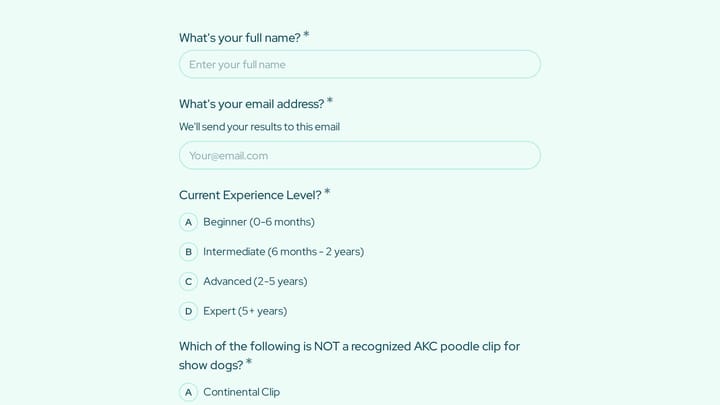
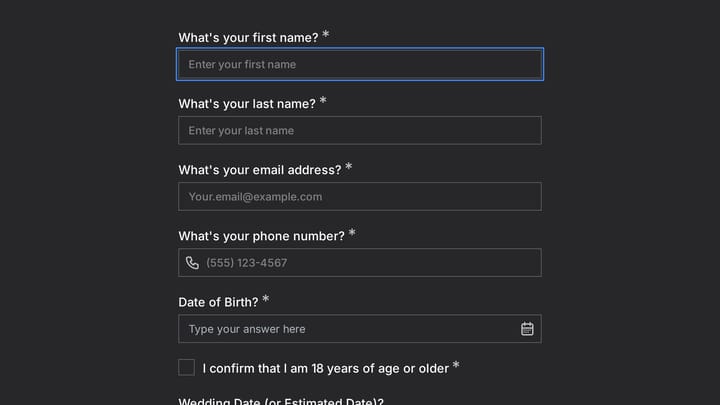
This template is structured for practical policy review. It captures employee context such as department, role level, and time at the company, then moves into focused questions about IP ownership during company time, use of company resources, side project boundaries, and awareness of the invention disclosure process. That makes it useful for identifying whether confusion is isolated to certain teams or reflects a broader communication problem.

The survey also supports policy improvement, not just measurement. Responses can show whether employees know who owns work-related intellectual property, whether they understand exceptions or gray areas, and whether they know how to report innovations internally. Legal, compliance, HR, and R&D leaders can use those insights to refine onboarding, manager guidance, policy wording, and internal training.
Related Templates

View all →
Event Volunteer Form preview

Event Volunteer Form

Streamline your event planning by effortlessly collecting all the crucial details from your potential volunteers. This customizable form simplifies sign-ups, helping you build a supportive and well-organized team.

employee coaching form preview

employee coaching form

Cultivating a culture of continuous learning and development is vital for any organization. This employee coaching form template simplifies the process, making it easy for team members to proactively request guidance and define their career aspirations.

Employee details form preview

Employee details form

Effortlessly onboard new team members with this customizable employee details form. It helps you quickly gather essential personal, contact, and employment information in a professional, branded experience.

Curling Registration Form preview

Curling Registration Form

This user-friendly template simplifies the curling event sign-up process, helping organizers get more participants with ease.

Frequently asked questions

What is this company patent and intellectual property policy survey used for?

This template is used to collect structured responses for a company patent and intellectual property policy survey workflow. It gives teams a consistent format for gathering the information they need and reviewing submissions more efficiently.

What information should I collect first?

Start with the most important details people can answer quickly, then move into the more specific questions. In this template, that can include items such as Full Name, Email Address, Department depending on how you customize it.

Can I customize this template for my own workflow?

Yes. You can adapt the questions, required fields, and structure to fit your process while keeping the overall flow clear and easy to complete. That makes it useful as both a starting point and a publish-ready template.

How many questions should a form like this include?

Keep only the questions that directly support the purpose of the form. Shorter forms usually get better completion rates, so it is often better to collect the essentials first and ask for extra details later if needed.

Why use a structured template instead of building from scratch?

A structured template helps you move faster and keeps your submissions more consistent. It also reduces the chance of missing important details because the form already follows a logical order.

How does this help with feedback analysis?

A structured feedback form makes it easier to compare ratings, comments, and recurring themes across responses. That helps teams identify what is working well, where friction exists, and what improvements to prioritize next.

Ready to create your first Fomr?

Your next form deserves better than a white page with dropdowns. Build something people actually want to fill out.